
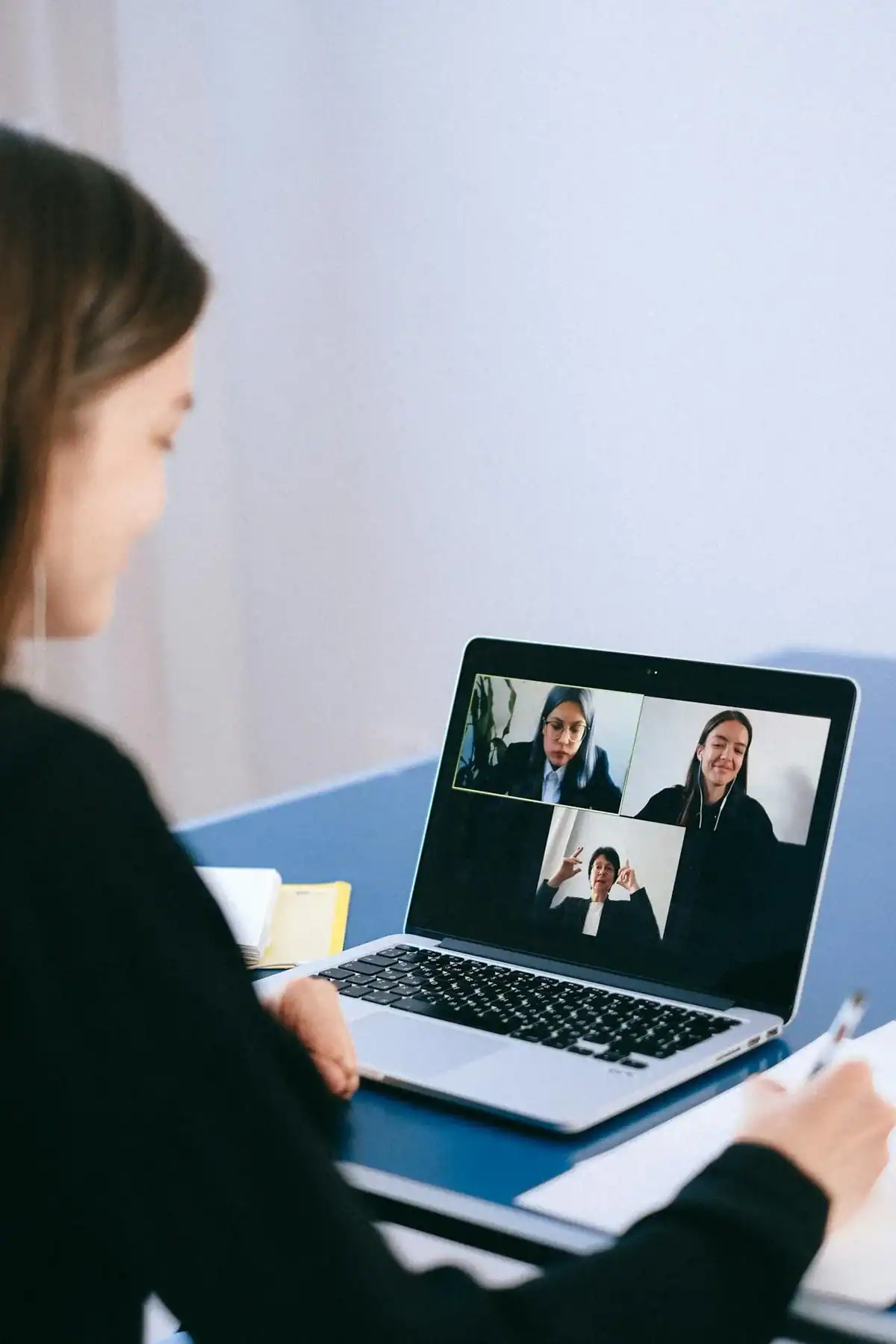
 Recent advancements in communication technology have helped to reshape the governance of community associations. What was once an uncommon method of participation has now become a common method of community governance. Virtual and hybrid meetings offer flexibility and greater accessibility for members, allowing those who cannot attend in person to participate rather than issue a proxy for quorum and voting. As these platforms are further developed, they are more valuable resources for condominium and subdivision associations committed to seeking more member engagement.
Legal Framework for Remote Participation
Under Section 405(1) of the Michigan Nonprofit Corporation Act (the “NPCA”), associations are permitted to allow remote participation unless prohibited by their governing documents. Though every set of governing documents must be reviewed, most do not prohibit remote meetings. Section 405(1) provides specifically that “[u]nless otherwise restricted by the articles of incorporation or bylaws, a shareholder, member, or proxy holder may participate in a meeting of shareholders or members by a conference telephone or other means of remote communication that permits all persons that participate in the meeting to communicate with all the other participants…”
Additionally, Section 405(3) of the NPCA permits associations to conduct meetings solely via remote communication. When conducting a meeting fully virtually, Section 404 of the NPCA requires the meeting notice to describe the means of remote communication.
Under Section 405(4) of the NPCA, when permitting remote participation in association meetings, the association must implement reasonable measures to verify that the participant is a member, ensure a reasonable opportunity to participate in the meeting, and record all votes taken during the meeting.
While boards have the discretion to permit virtual attendance, they must adhere to the requirements set forth in the NPCA and may impose restrictions to address logistical or administrative challenges.
Expanded Participation and Accessibility
The adoption of virtual and hybrid meeting formats has significantly broadened opportunities for member engagement. These options are particularly beneficial for seasonal residents and individuals facing travel or scheduling constraints, allowing for more consistent and widespread participation.
Remote meeting technologies, when properly explained, can help to improve accessibility for older members and those with mobility limitations. By reducing barriers to participation, associations promote inclusivity and ensure that all members can remain engaged in community decision-making processes.
Administrative Considerations
To ensure the effectiveness of virtual meetings, boards must provide clear instructions, offer technical support, and manage logistics such as speaking order and voting procedures. Ensuring accurate verification and recordkeeping standards as discussed above is essential for maintaining the integrity of remote participation. When administered properly, virtual meetings can be a great tool to engage with the members of the community.
Conclusion
Virtual and hybrid meetings have become integral to the operations of community associations, supporting broader participation, enhanced accessibility, and effective communication. By implementing clear procedures and complying with Michigan’s legal framework, boards can confidently integrate remote participation or hold entirely virtual meetings to foster member involvement.
This article originally appeared in Community Association News, published by the Michigan Chapter of Community Associations Institute. Reprinted with permission.
