
By Dawn Bauman
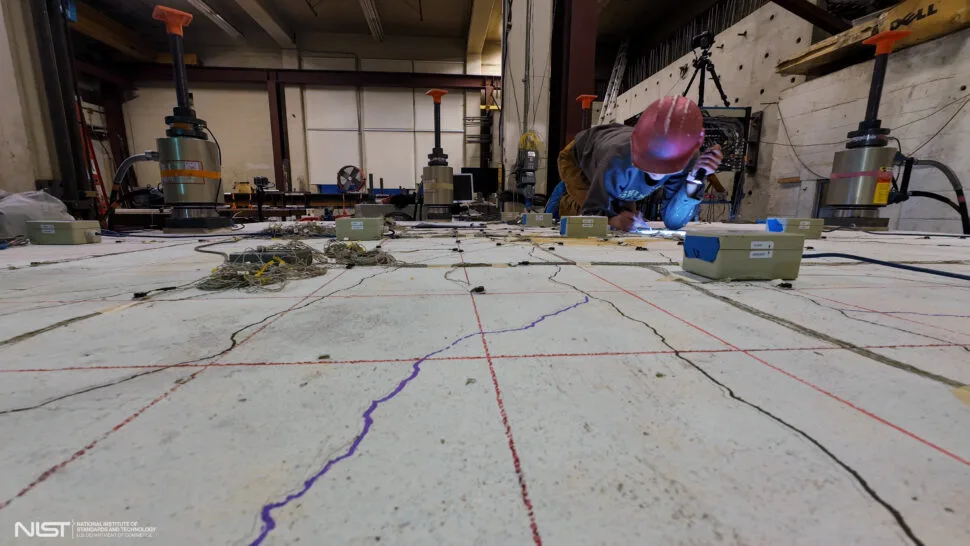
 The National Institute of Standards and Technology released its long-awaited findings on the partial collapse of Champlain Towers South in Surfside, Fla.
Five years after the tragedy that claimed 98 lives, we continue to honor those who were lost and stand with the families whose lives were forever changed. We also recommit ourselves to ensuring a disaster like this never happens again.
A small piece of concrete from the collapse site sits on my desk. I brought it back after spending time in the community in the days that followed the tragedy, standing alongside first responders, families searching for answers, and residents who lost everything.
That experience changed me. It changed our industry. And it changed the national conversation about condominium safety.
The NIST report marks an important milestone. It provides the most comprehensive technical analysis to date of what happened and reinforces what many engineers and building professionals have said for years.
Surfside was not the result of a single decision or a single failure.
It was the result of multiple factors interacting over decades including design deficiencies, construction issues, corrosion, environmental exposure, and structural deterioration.
The building itself was constructed in a different era under different codes, standards, and practices. What was acceptable in the late 1970s would not meet today’s standards. The report also highlights conditions tied to the original design and construction long before the board members, residents, and professionals of 2021 were involved.
At CAI, we have spent the past five years focused on solutions. In the immediate aftermath, we brought together engineers, reserve specialists, architects, attorneys, insurers, community managers, and volunteer leaders from across the country to develop practical recommendations.
We are incredibly proud of that work.
Those efforts have resulted in new laws and regulations in 11 states along with best practices and professional standards shaping building safety, inspections, reserve funding, and long-term planning nationwide. Today, communities have access to tools and guidance that did not exist before Surfside.
CAI’s work continues.
Through our condominium safety initiative and resources, stakeholders can access practical guidance on structural integrity, maintenance planning, governance, and financial sustainability. We also have pursued, supported, and passed targeted legislation to strengthen reserve studies, inspections, and building safety requirements.
Many condominium communities were built decades ago. Repairs often involve multimillion-dollar investments. The people who live in these communities are retirees, working families, and individuals on fixed incomes.
Safety and affordability are not competing priorities.
We must do our best to achieve both. That means implementation must be practical. Communities need time to complete inspections, develop funding plans, secure financing, and make necessary repairs. The goal should be safer buildings, not unintended financial shocks that displace homeowners or lead to declining property values.
The same principle applies to lending and insurance markets.
Following Surfside, Fannie Mae and Freddie Mac implemented broad lending restrictions affecting thousands of condominium communities that limit financing options and reduce marketability.
The NIST report strengthens the case for a more targeted, risk-based approach.
Buildings should be evaluated based on actual conditions through professional assessments and documented risk, not broad assumptions about an entire category of housing.
What this means going forward is clear: Focus on evidence-based evaluations, implement practical timelines, and preserve access to financing while improving safety.
Condominiums remain one of the most important pathways to homeownership in the U.S. Public policy and lending practices must support both safety and access.
As we reflect on the 98 people who perished, we recommit to pursuing sensible public policy, providing strong resources, and establishing high standards of practice.
The work is not finished and neither is our commitment.
>>Find CAI’s condominium safety resources at www.condosafety.com.
Reprinted with permission from Community Associations Institute.